
A New Hampshire spring cleaning closes out winter: clear the ash and dust from months of closed windows and heating, clean up the grit left by salt, sand and mud season, wash windows and sills, and prepare for pollen. Work top to bottom, room by room, and finish with the floors. If it is too much for one weekend, a professional deep clean covers it in one visit.
How do you close out winter?
Months of closed windows, dry heated air and a running wood stove or pellet stove leave a fine layer of dust and ash on almost everything. Start high and work down: ceiling fans, light fixtures, the tops of door frames, shelves and window treatments, then furniture and baseboards. Dust falls, so clean the floors last.
- Wipe down the area around the wood or pellet stove, including nearby walls, shelves and the hearth, once it is cool and the ash has been dealt with safely.
- Wash or launder throw blankets, pillow covers and curtains that sat through the heating season.
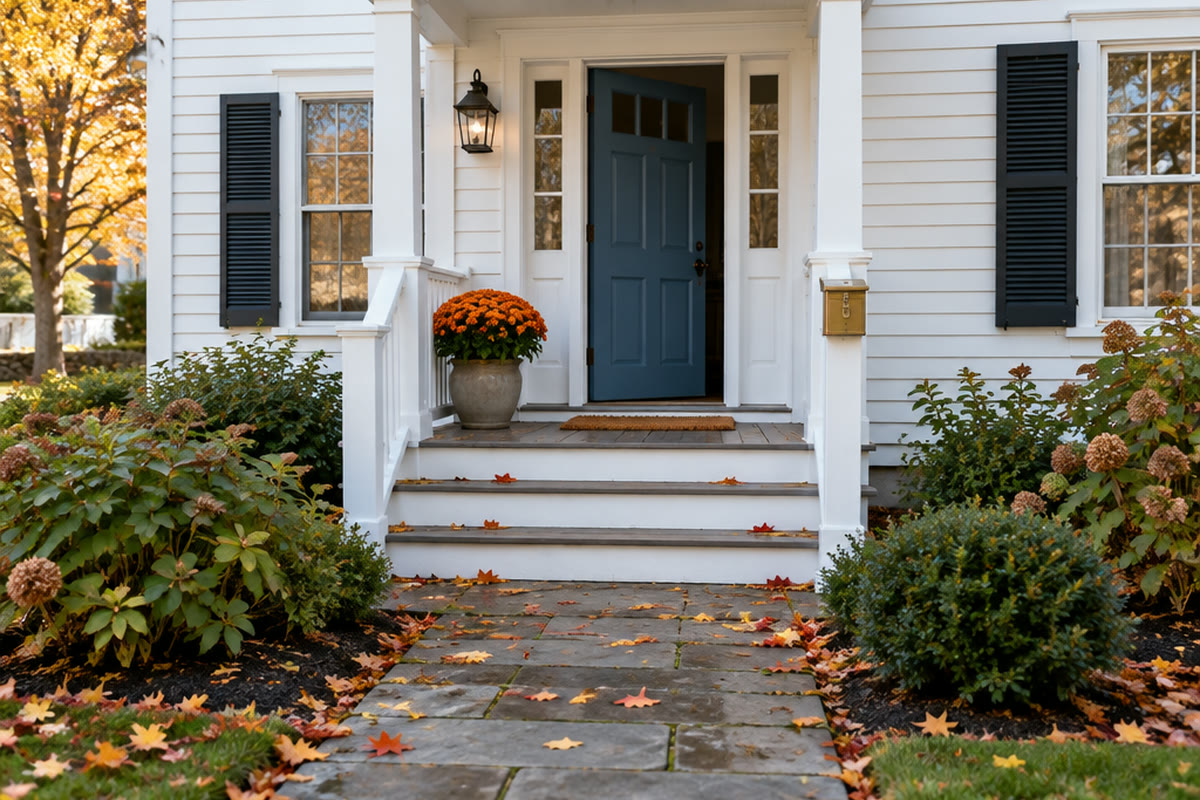
- Clear out the mudroom or entry: wash boot trays and mats, put away winter boots and gear.
- Vacuum vents and returns, where winter dust collects.
Windows, sills and screens
Spring is the season for windows. Winter leaves condensation marks on glass and grime in the tracks and sills, and clean windows make the longer days feel brighter. Vacuum the tracks first to lift dirt and dead insects, then wipe sills and clean the glass on the inside.
Interior windows, up to 10 panes, are a $35 add-on with New Hampshire Area Cleaners. Exterior windows and screens are outside work, so plan those separately.
Floors after mud season
By spring, road sand and dried mud have usually worked into rugs, corners and the edges of rooms. Vacuum thoroughly in several directions, move light furniture to get underneath, and damp-mop hard floors, rinsing away any lingering salt film. Our mud season cleaning guide covers the entry in more detail.
How do you get ready for pollen?
Once trees start to bloom, yellow-green pollen settles on porches, sills, cars and anything near an open window. Clean your sills and window tracks before the season peaks, and wipe them again after windy days. Dust with a damp cloth rather than a dry one, so pollen is picked up instead of pushed around. Shoes off at the door helps here too.
Room by room checklist
- Kitchen: wipe cabinet fronts, clean the range hood, and add the inside of the oven and refrigerator ($35 each as add-ons) if they need it.
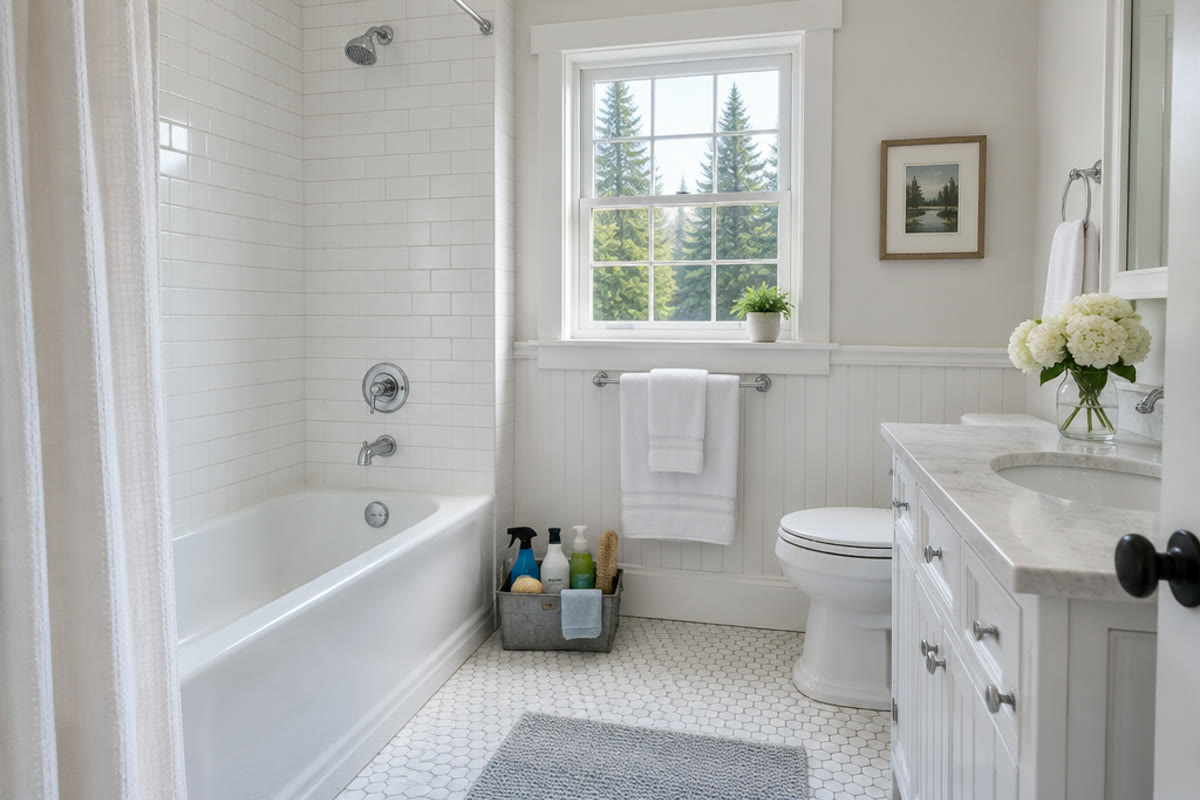
- Bathrooms: scrub tubs and showers, wash bath mats and shower curtains, clear out old products.
- Bedrooms: dust high to low, vacuum under beds, swap heavy winter bedding for lighter layers.
- Living areas: dust shelves and electronics, vacuum upholstery, clean around the stove.
- Whole home: baseboards ($50 add-on), switch plates, door handles and the floors last.
When should you call in help?
If a full spring clean is more than a weekend allows, a deep clean (starting from $175) covers the buildup in one visit, and recurring cleaning keeps it from coming back. These are New Hampshire Area Cleaners’ own prices, and the final price is confirmed when you book. Choose Book Now to pick a date.
Frequently asked questions
When should I spring clean in New Hampshire?
Many people wait until mud season winds down and the heating season ends, often April into May, so the work is not undone by more tracked-in mud and stove ash.
What order should I spring clean in?
Top to bottom and room by room: fixtures and high surfaces first, then furniture and baseboards, and floors last.
How do I keep pollen out of the house?
Clean sills and window tracks before the season peaks, dust with a damp cloth, take shoes off at the door, and keep windows closed on high-pollen days.
Is a deep clean the same as a spring clean?
They cover similar ground. A deep clean gives extra time to buildup and detail work, which is what a spring clean aims to do after winter.