A good office cleaning checklist covers the shared areas people use every day (entry, restrooms, kitchen or break room, floors and desks) and sets a frequency for each based on how busy the office is. In New Hampshire, give the entry extra attention from late fall through mud season. New Hampshire Area Cleaners quotes office cleaning after a walk-through, so the plan fits your space.
What should an office cleaning checklist include?
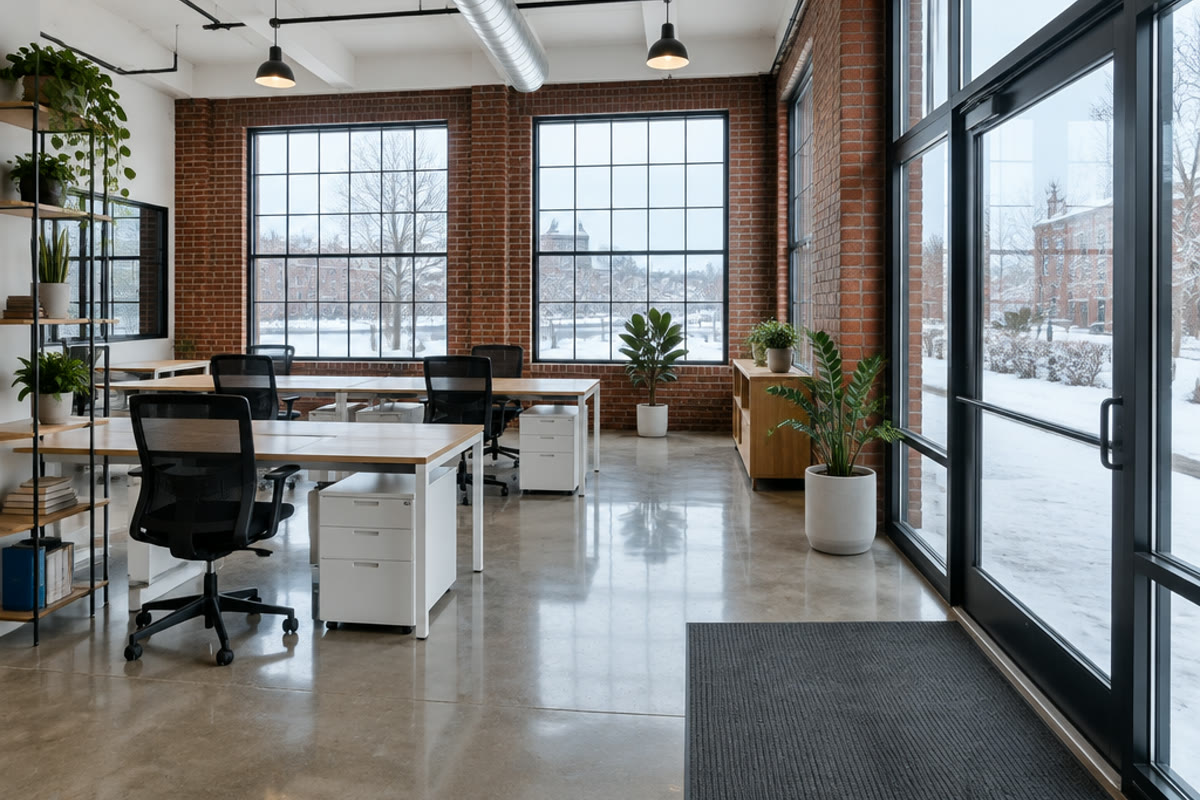
- Entry and reception: mats, floors, door glass, the reception counter and seating.
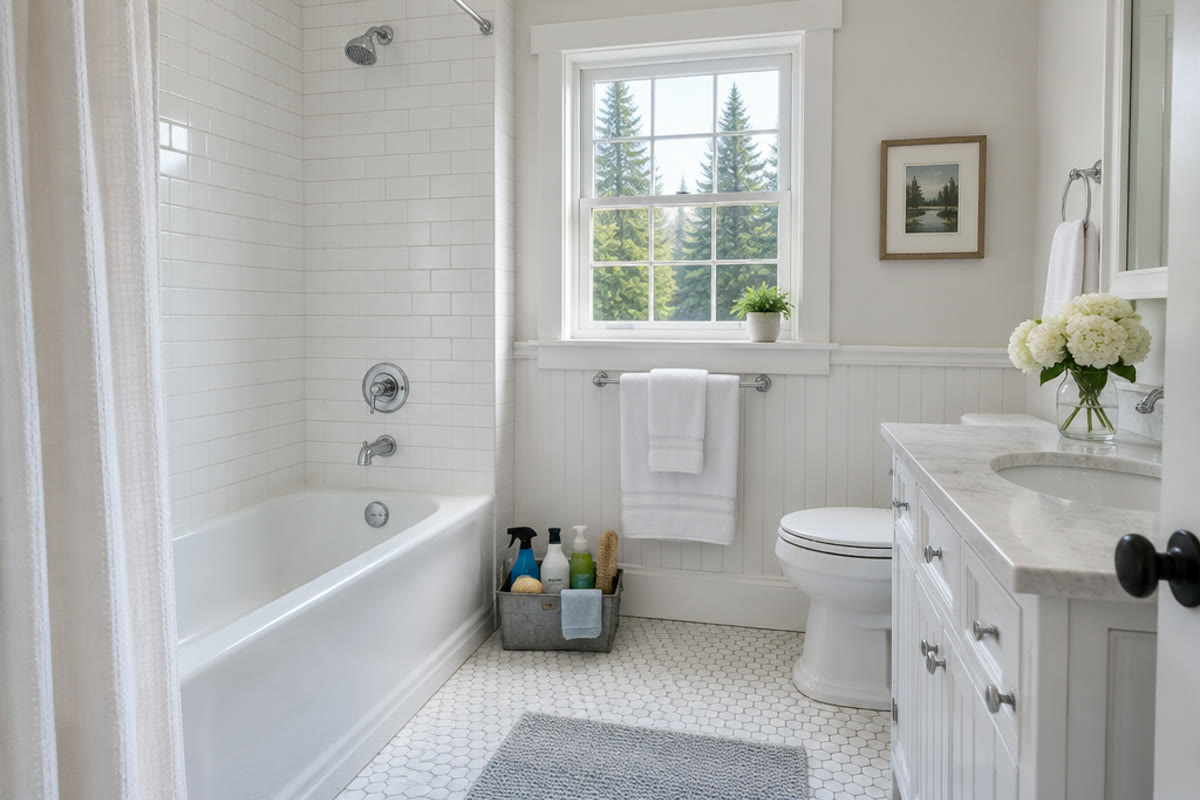
- Restrooms: toilets, sinks, mirrors, counters, floors, bins, and who restocks soap and paper.
- Kitchen or break room: counters, sink, table tops, appliance fronts, the microwave, bins and floor.
- Workspaces: cleared desk surfaces, shared tables, phones and high-touch points such as door handles and light switches.
- Floors: vacuuming carpet and mopping hard floors, with the most attention at entrances.
- Trash and recycling: emptied and relined on a set schedule.
How often should each task be done?
Split the checklist by how often each task matters. A small office with steady attendance has different needs from a busy one with visitors all day.
- Each visit: restrooms, kitchen surfaces, trash, entry floors and high-touch points.
- Weekly or every other visit: full vacuuming and mopping, dusting reachable surfaces, cleaning appliance fronts and glass.
- Periodically: inside the refrigerator and microwave, baseboards, interior windows and other detail work.
Agree on what staff handle between visits, such as wiping up spills, clearing the kitchen sink and keeping desks clear enough to clean.
Review the checklist with one named contact after the first few weeks. Short winter days, a busy season or a change in how many people come in can all shift what the office needs, and it is easier to adjust a plan that is written down.
How do you handle winter salt, sand and slush at the entry?
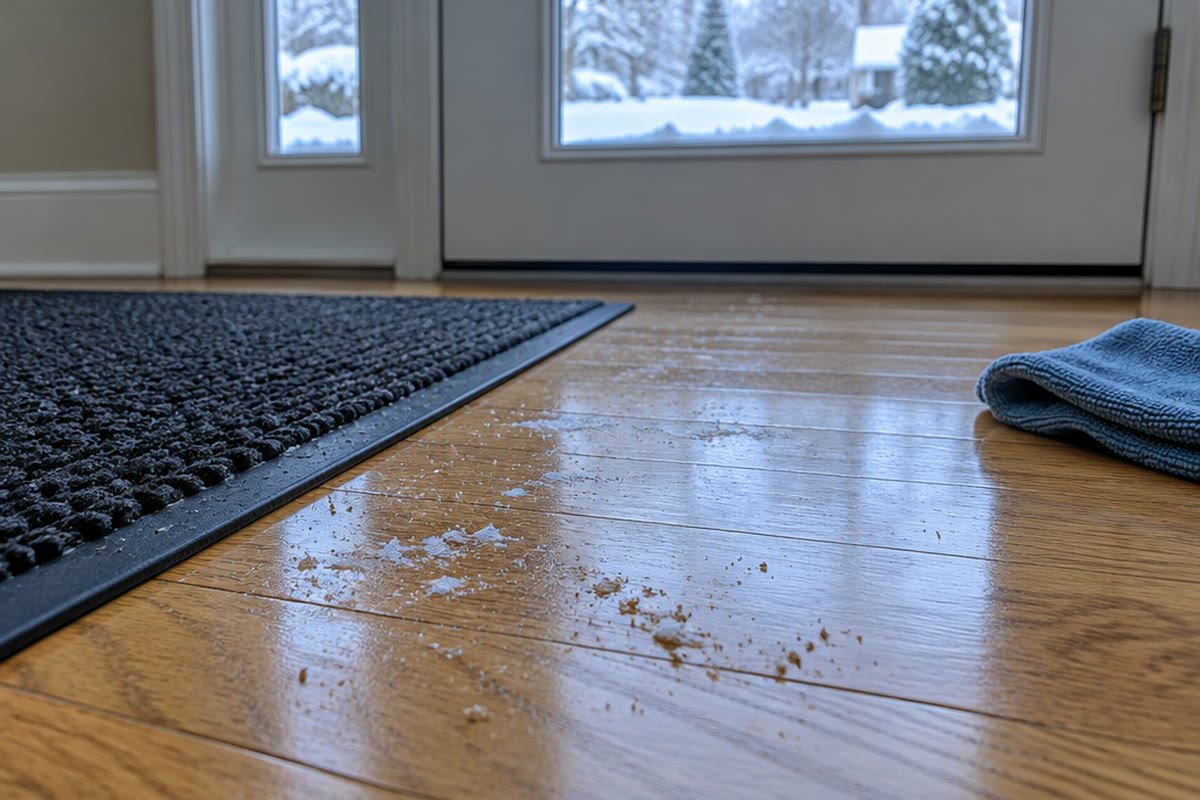
From the first snow until the end of mud season, a New Hampshire office entry takes a beating. Salt and sand come in on every pair of boots, and slush leaves standing water that becomes a slip risk. Wet floors and white salt residue are also the first thing visitors see.
- Use a scraper mat outside and a long absorbent mat inside, and plan for mats to be shaken out or replaced more often in winter.
- Give staff a place for wet boots, such as a boot tray near the door.
- Increase entry floor cleaning in winter so salt residue does not dry and spread through the office.
- Ask for a damp mop on hard floors after salty days, since dry salt residue tends to dull finishes.
What should you include when you request a quote?
New Hampshire Area Cleaners quotes office cleaning after a walk-through. To make that visit useful, have these details ready:
- Approximate square footage, layout, and the number of restrooms and kitchens.
- How many people use the office on a typical day, and whether visitors come in.
- Floor types: carpet, tile, vinyl or wood.
- Preferred cleaning days and times, inside or outside business hours.
- Access: keys, alarm codes, parking and who the main contact is.
- Any areas that are off limits or need special care.
Choose Get a Quote to request a walk-through, or call 978-961-4889, Monday to Saturday, 8am to 5pm.
Frequently asked questions
How often should an office be cleaned?
It depends on how many people use it, how much visitor traffic it gets and how busy the kitchen and restrooms are. Many small offices start with one to three visits a week and adjust from there.
How is office cleaning priced?
New Hampshire Area Cleaners quotes office cleaning after a walk-through of your space, since size, layout, frequency and floor types all affect the work.
Does office cleaning include desks?
Cleared desk surfaces can be part of the plan. Agree in advance which surfaces are cleaned, and keep confidential papers and equipment put away.
What extra cleaning does an office need in winter?
Mostly at the entry: more frequent mat care and floor cleaning to deal with tracked-in salt, sand and slush, which can dull floors and make them slippery.